Simple rituals for better matcha
Matcha vs Coffee

Matcha vs Coffee
Both matcha and coffee have their place in daily rituals, each offering a different kind of experience. While coffee is often associated with a quick boost, matcha invites a slower, more intentional moment.
A typical serving of matcha (around 2–3g) contains a similar amount of caffeine to a cup of coffee. However, the effect is less about intensity and more about balance depending on the quality of the leaves, harvest, and how it’s prepared.
The real difference lies in how the body responds.
Coffee delivers caffeine quickly, creating an immediate spike in energy that can fade just as fast. Matcha, on the other hand, releases caffeine more gradually. This is due to L-theanine, a naturally occurring amino acid that supports a calm, focused state.
The result is a more stable kind of energy clear, steady, and without the sharp crash.
Choosing between matcha and coffee isn’t just about caffeine it’s about how you want to feel.
Coffee is fast, bold, and familiar.
Matcha is smooth, grounding, and intentional.
Some days call for speed.
Others call for balance.

What makes matcha unique is how it’s grown. Tea plants are shaded before harvest, increasing chlorophyll and amino acids giving matcha its vibrant green color and smooth, umami-rich taste.
The leaves are then processed into tencha and stone-ground into a fine powder. Unlike traditional tea, matcha is consumed whole, allowing you to experience its full depth both in flavor and benefits.
BENEFITS OF MATCHA
Matcha delivers a steady balance of energy and calm.
Rich in antioxidants, it supports overall wellness, while the combination of caffeine and L-theanine promotes focused, stable energy without crashes.
Consumed whole, it may also support metabolism and gentle detox.
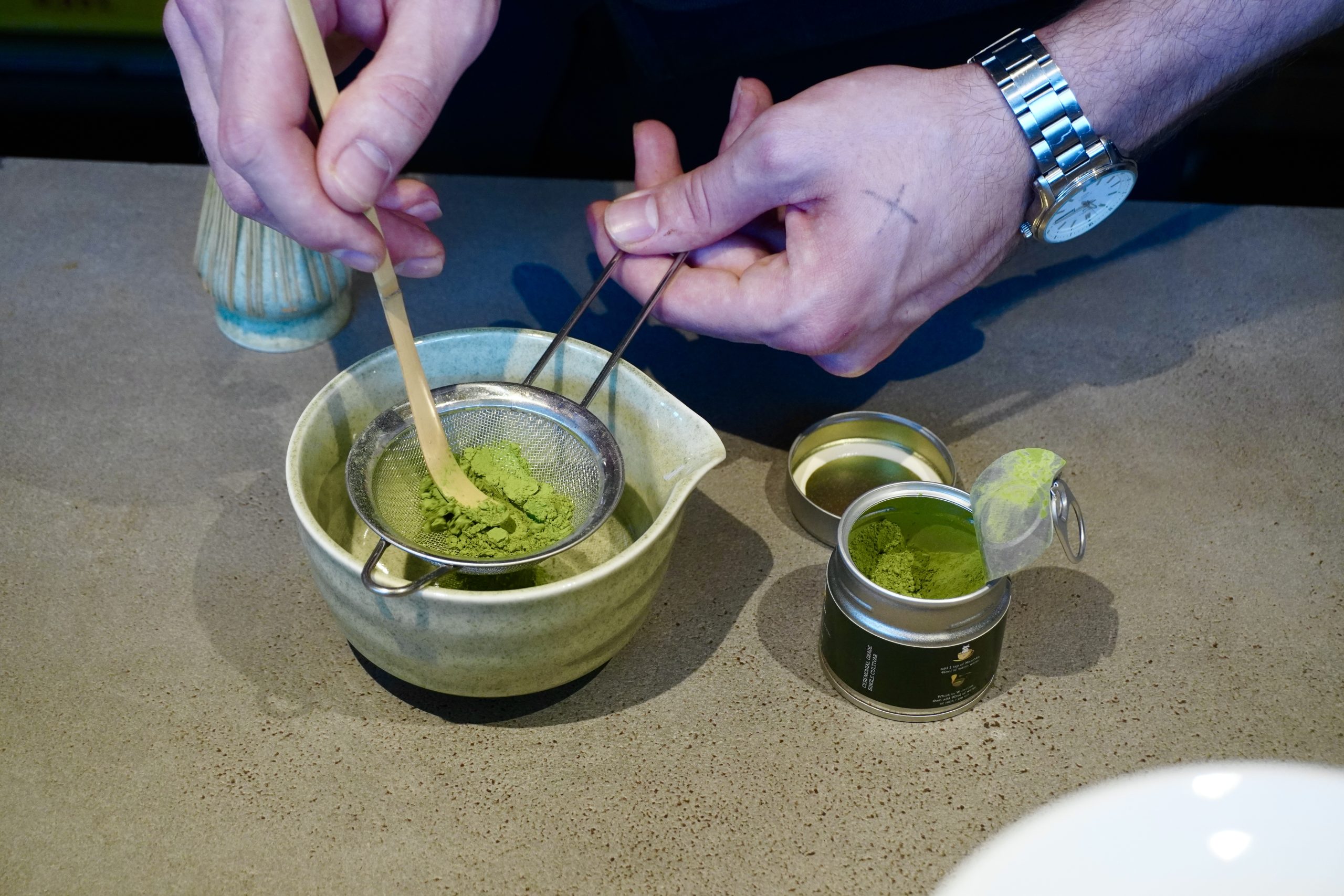
1. Sift 2–3g of matcha into a bowl
2. Add 60ml hot water (75°C)
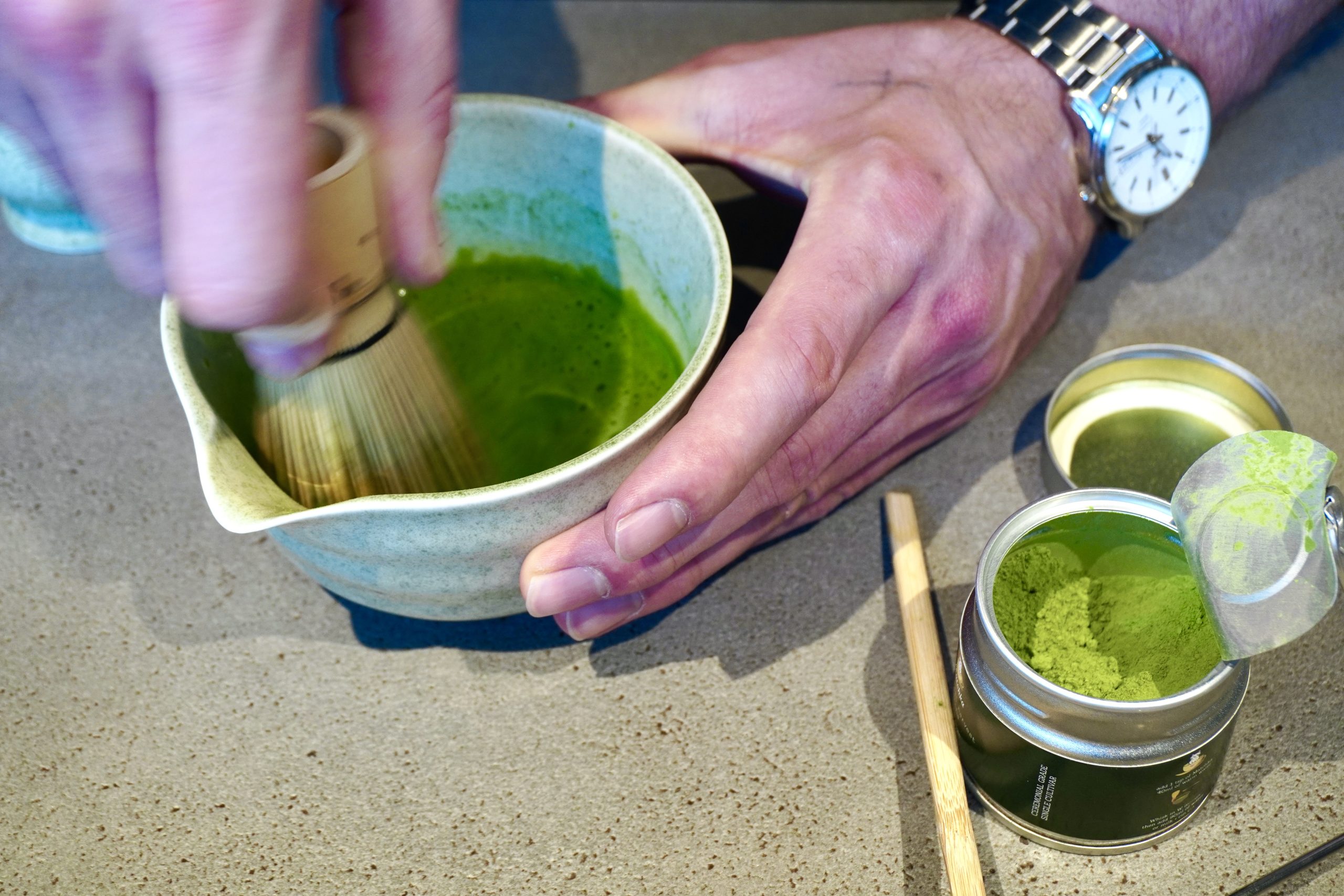
3. Whisk until fine foam forms
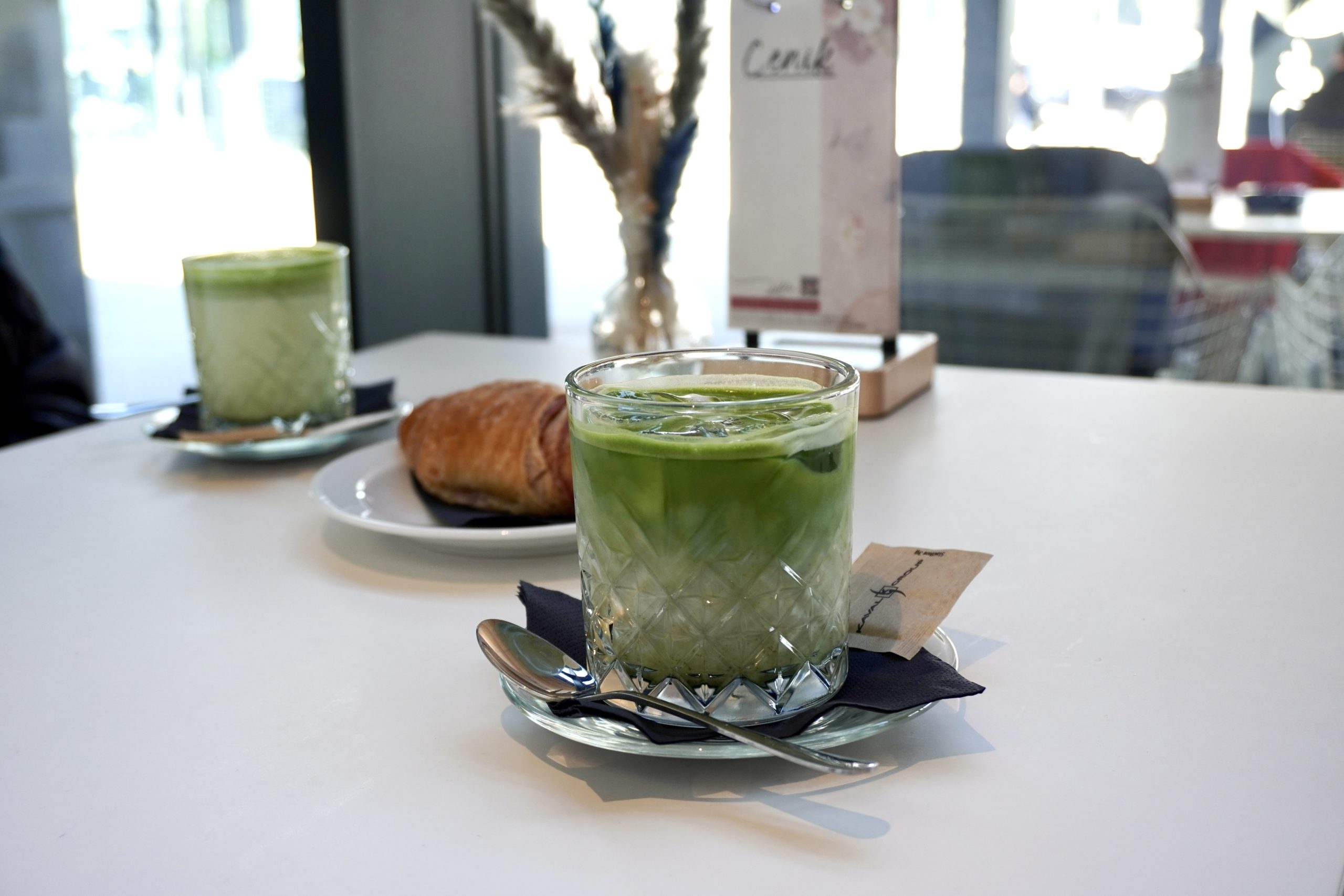
4. Add milk or more water if desired
1. Seal tightly after each use
2. Store in a cool, dark place
3. Avoid humidity and sunlight
4. Best consumed within 4–6 weeks